
Artificial Grass vs Natural Grass in Florida Cost
Updated: Apr 8

When comparing artificial grass vs natural grass in Florida, most homeowners are trying to answer one simple question: which option actually makes sense long term. Between intense heat, heavy rain and constant maintenance, traditional lawns often struggle to stay green, clean and cost-efficient. Artificial grass offers a more durable, low-maintenance alternative that is designed to perform in Florida’s climate. But how does it really compare in terms of cost, heat and upkeep? This guide breaks it down clearly so you can decide with confidence and understand why more homeowners are making the switch.
Cost comparison of artificial grass vs natural grass in Florida
At first glance, natural grass appears to be the cheaper option. Installing sod in Florida is relatively affordable compared to artificial grass installation. However, the long term cost tells a different story.
Natural grass comes with ongoing expenses such as irrigation, lawn care services, fertilizers and pest control. In a climate like Florida, where grass requires frequent watering and maintenance, these costs add up quickly over time. Homeowners often spend thousands of dollars annually just to keep their lawn in acceptable condition.
Artificial grass requires a higher upfront investment, typically ranging from 8 to 14 dollars per square foot installed in Florida, depending on their requirements and project complexity. While this initial cost is higher, it eliminates nearly all ongoing expenses. Over a period of five to seven years, many homeowners find that artificial turf becomes the more cost-effective option.
Heat performance in Florida climate
One of the most common concerns about artificial grass in Florida is heat. Natural grass stays cooler because it retains moisture, while artificial turf can absorb and hold heat, especially during peak sun hours.
However, modern artificial grass products are designed with improved materials that reduce heat retention. In real residential settings, simple solutions such as adding shade, incorporating surrounding landscaping or occasionally rinsing the surface with water can significantly reduce surface temperature.
In contrast, natural grass often dries out under intense Florida sun exposure, leading to brown patches, uneven growth and the need for constant watering. While it may feel cooler underfoot, it is far less resilient in maintaining a healthy appearance.

Maintenance requirements and long term effort
Maintenance is one of the biggest differences between artificial grass and natural grass in Florida.
Natural grass requires consistent attention. Homeowners must mow regularly, water frequently, apply fertilizers and manage weeds and pests. In South Florida, this maintenance becomes even more demanding due to rapid growth cycles and environmental stress.
Artificial grass is designed to minimize effort. Maintenance typically consists of occasional rinsing, light brushing and basic cleaning to remove debris. There is no need for mowing, watering or chemical treatments.
For many homeowners, especially those with busy lifestyles or rental properties, the time savings alone make artificial grass a more practical solution.
Durability in Florida weather conditions
Florida’s climate presents several challenges for traditional lawns. Heavy rainfall can lead to flooding and muddy areas, while humidity promotes weed growth and attracts pests. Over time, natural grass often becomes patchy and uneven, requiring frequent repairs or replacement.
Artificial grass is built to withstand these conditions. When installed with proper drainage, it allows water to pass through efficiently, preventing puddles and erosion. High quality turf is also resistant to UV exposure, maintaining its color and structure even under strong sun.
This durability makes artificial grass particularly well suited for backyards, pool areas, pet zones and high traffic spaces throughout Florida.
Aesthetic value and outdoor lifestyle
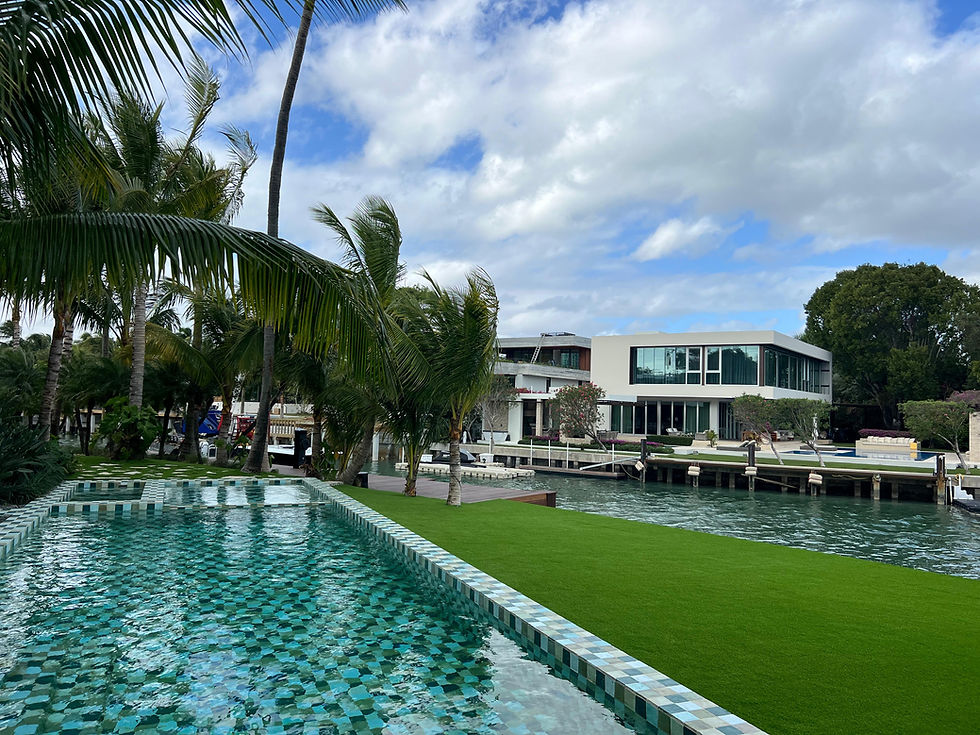
From a visual perspective, artificial grass offers a consistent and polished look year round. It remains green regardless of weather conditions, creating a clean and well-maintained appearance without ongoing effort.
In Florida, where outdoor living is a major part of the lifestyle, this consistency is a significant advantage. Artificial turf works seamlessly with patios, pools and modern landscaping designs, enhancing both usability and overall property appeal.
Natural grass can still provide a classic and organic look, but it is often inconsistent due to weather and maintenance challenges. Homeowners frequently deal with brown spots, uneven growth and seasonal variations that affect the overall appearance of their yard.

Which option is better for Florida homeowners
Choosing between artificial grass and natural grass in Florida ultimately depends on priorities. For homeowners who value low maintenance, long term savings and a consistently clean appearance, artificial grass is often the better investment.
For those who prefer a traditional lawn and are willing to invest time and money into maintenance, natural grass can still be an option. However, in most modern residential settings across Miami and South Florida, artificial grass continues to grow in popularity due to its practicality and performance.
CONTACT US FOR ANY ENQUIRIES, QUESTION OR FOR A FREE QUOTE!

Comments